652 Results
Blog
The goal of any Geo-Inquiry is to have students use a geographic perspective to analyze how human and natural systems interact, so they can take action to make it a better place.
Blog
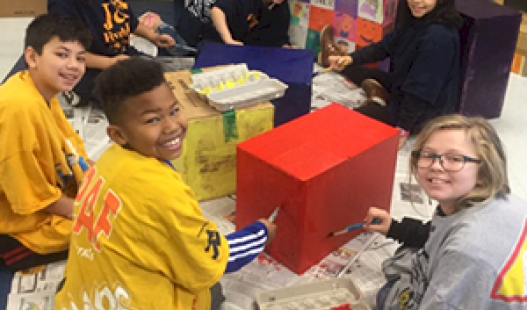
Elementary students take the Facing Difference Challenge
by Katie Martin, BIE staff
Blog
At a workshop I recently facilitated, I had a conversation with an elementary teacher who told me that she didn’t have time to do Project Based Learning in her classroom.
Blog
Preview of new book & videos from Buck
Blog
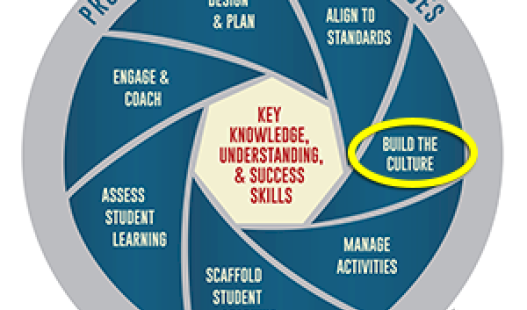
It’s worth reflecting on what you’ve done in the past and how you might like to use some of the ideas below to bring more of yourself to the classroom, in intentional ways, in order to create the type of trusting relationships that will be needed to maximize the learning ahead.
Blog
We can all aspire to design “Solve World Hunger” projects, and I would suggest that you do as often as you can. However, we can also make our projects authentic in other ways such as including experts from the field, designing scenarios, or using topics important to our students’ lives.

Blog
In this blog, Tom Vander Ark write about projects that tackle real-world problems
Blog
Things can appear to be going smoothly; students have been engaged by the project, they've been learning content and skills, they've been busy and meeting deadlines… but their thinking is not as in-depth and their final products not as polished as they should be.
Blog
This blog, originally posted at Modern Learners, addresses student learning that takes place outside of school that at some point will require all of us to adapt.


Blog
As STEM/STEAM educators, we want to help students think and work like engineers and computational thinkers. But that involves more than introducing students to the design process or teaching them about technology tools.
Blog
Attend to ALL students’ social-emotional safety and watch the powerful promise of high quality Project Based Learning take root in a student who previously did not want to engage in learning.

Blog
Sometimes Project Based Learning is planned in advance, sometimes it is planned on the fly. And sometimes students demand it.
Blog
The teachers had no idea what grades to give their students, no idea if their students had really learned what they meant to teach, and weren’t sure if they should go back and teach the content another time “the old fashioned way” or just move on to the next unit.

Blog
Teaching literacy is an ongoing task. It isn’t a wham-bam-and-you’re-done one-shot lesson where kids can show their learning and you move on.